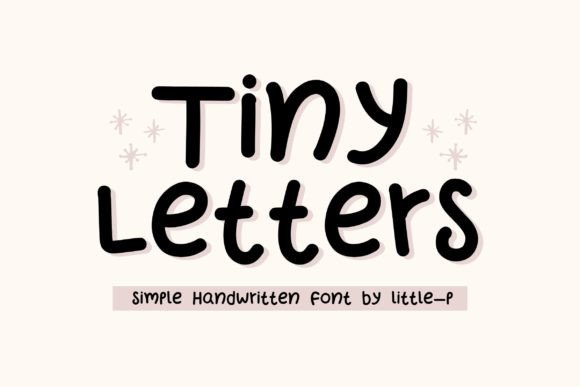
Tiny Letter Font: A Compact Handwritten Typeface for Modern Web Design
As a web designer, choosing the right typeface can make or break a digital layout. Tiny Letter is a petite, handwritten script font that brings a warm, approachable tone to web projects without sacrificing readability. Its compact design makes it especially effective in layouts where space is limited but personality is essential. Whether used in a hero header, product banner, or brand kit, Tiny Letter adds a touch of charm that resonates with audiences.
Why Tiny Letter Works for Digital Design
The strength of Tiny Letter lies in its balance between friendliness and clarity. Its small letterforms are crafted to remain legible at reduced sizes, making it ideal for mobile interfaces, call-to-action buttons, and social media graphics. Unlike overly stylized script fonts that can become unreadable, Tiny Letter maintains a clean rhythm that supports digital usability. It's especially effective when used as a display font in short bursts—think logo text, section headers, and microcopy.
Using Tiny Letter in Web Layouts
When integrating Tiny Letter into a website, consider its role in visual hierarchy. It performs best as a secondary or accent typeface rather than body copy. For example, using it in a hero section header paired with a clean sans serif font for paragraph text creates a dynamic contrast that guides the user’s eye. In online stores, Tiny Letter can be used for product tags, promotional banners, or featured testimonials—helping to create a cohesive brand voice across digital touchpoints.
Practical Use Cases for Tiny Letter
- Hero titles on creative portfolios or coaching websites
- Call-to-action buttons on landing pages and SaaS sites
- Logo text or brand accents in digital brand kits
- Blog headers and social media overlays for content creators
- Featured text in digital ads or email marketing banners
Readability Considerations for Tiny Letter
Despite its small size, Tiny Letter remains legible when used thoughtfully. On mobile screens, ensure adequate spacing between letters and avoid using it at extremely small font sizes. For dark or light backgrounds, test contrast ratios to maintain accessibility. When overlaying text on images, consider using a subtle background overlay or stroke effect to keep Tiny Letter readable without compromising its delicate aesthetic.
Font Pairing with Tiny Letter
One of the most effective ways to use Tiny Letter is in combination with a more structured typeface. Pairing it with a minimalist sans serif font like Helvetica or Lato creates a modern, clean contrast that enhances both visual appeal and readability. For editorial-style websites or blogs, pairing Tiny Letter with a serif font like Georgia or Playfair Display can evoke a more refined, curated aesthetic. The key is to maintain typographic balance—Tiny Letter should complement, not compete with, the rest of your font stack.
Understanding Tiny Letter’s Font Features
Before implementing Tiny Letter into a live project, review the available font files and styles. Most premium script fonts like Tiny Letter come with multiple weights, alternates, and ligatures that allow for customization. Check for webfont compatibility across major browsers and ensure that the font supports common character sets for multilingual websites. If you're using Tiny Letter in a design system or brand kit, verify that it includes both desktop and web licensing for seamless deployment.
Designing for Brand Consistency with Tiny Letter
Consistency is key in digital branding, and Tiny Letter helps maintain a cohesive tone across different platforms. Whether used in a Shopify store, a landing page, or a course sales page, its distinctive yet restrained style reinforces a brand’s personality without overwhelming the layout. For creative entrepreneurs and boutique brands, Tiny Letter can serve as a signature element that ties together logos, packaging design, and digital assets.
Commercial Use and Licensing Notes
When selecting Tiny Letter for client work or commercial projects, always verify the licensing terms. Most premium fonts from Script Amp and Fonts marketplaces include commercial licenses, but it's important to confirm usage rights for web embedding, digital templates, and downloadable assets. Licensing ensures that your design remains legally compliant and scalable across different digital environments—from landing pages to online stores and branded web experiences.