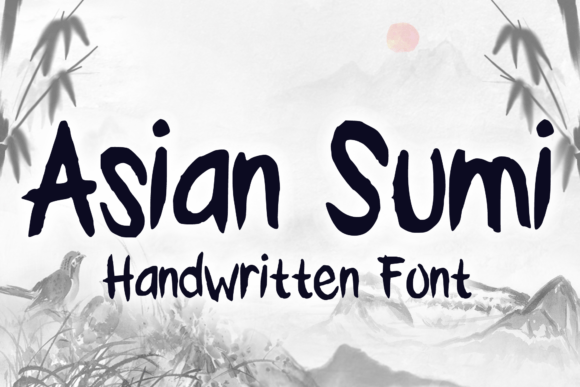
Asian Sumi: A Playful Brush Ink Font for Cohesive Branding
Why Asian Sumi Stands Out for Small Businesses
As a small business owner, every design choice you make impacts how customers perceive your brand. Asian Sumi is a unique script font that brings a handmade, expressive feel to your visual identity. Its sumi brush ink style mimics traditional Asian calligraphy, offering a touch of elegance and authenticity that sets it apart from generic typefaces.
If you're running a boutique, café, handmade goods shop, or wellness brand, Asian Sumi can help you craft a look that’s both professional and personable. Whether it’s on a logo, packaging, or social media graphic, this font adds character without overwhelming your message.
How to Use Asian Sumi Across Your Brand Touchpoints
One of the biggest challenges for entrepreneurs is maintaining a consistent brand voice across different materials. Asian Sumi works well as a headline or accent font, making it ideal for:
- Logo design for creative brands
- Packaging labels for candles, teas, or skincare products
- Menu design for cafés or specialty food shops
- Thank-you cards and stickers for customer appreciation
- Instagram stories and Pinterest pins that catch attention
Because it’s a script font, Asian Sumi shines when used for short text—think brand names, taglines, or product names. It gives your brand a distinctive visual voice that customers can recognize across platforms.
Creating a Professional Look with the Right Typeface
In the world of branding, consistency is key. Asian Sumi helps small businesses maintain a cohesive aesthetic by acting as a signature element in your design toolkit. When used thoughtfully, it can elevate your brand from looking like a side hustle to feeling like a polished, intentional business.
For instance, a local tea shop can use Asian Sumi in their logo and packaging design to evoke a sense of tradition and craftsmanship. A yoga instructor might use it in digital ads and workshop flyers to communicate calm and mindfulness. Even a candle maker can apply this font to label designs for a handcrafted, artisanal feel.
Real-World Examples of Asian Sumi in Action
Let’s say you own a small bakery. Using Asian Sumi on your cupcake toppers, menu boards, and Instagram posts creates a unified look that customers associate with your brand. The same applies if you run a wellness coaching business—using this font on your website banners and email headers gives your brand a soft, approachable edge.
Asian Sumi also works well for product-based businesses. If you sell handmade soaps or organic teas, this font can be used on product labels, packaging, and thank-you notes to reinforce your brand’s personality. It’s especially effective when paired with a clean, readable sans serif font for supporting text.
When to Use Asian Sumi—and When to Pair It with Other Fonts
As a script font, Asian Sumi is best used sparingly. It’s perfect for headlines, logos, and short-form text where you want to make a visual impact. For longer body text or small print like ingredient lists or footnotes, pair it with a simple, legible font like a sans serif or serif typeface.
For example, if you're designing a café menu, use Asian Sumi for the café name and section headers, and a clean font like Helvetica or Times New Roman for the item descriptions. This creates visual hierarchy while keeping readability intact.
Readability in Real Business Contexts
While Asian Sumi is a decorative font, its readability depends on the context. On printed packaging, it works beautifully at larger sizes—like on a candle jar or a boutique tea box. On digital platforms like Instagram or Pinterest, it grabs attention in post headlines and quote graphics.
However, avoid using it in very small sizes or low-resolution formats. If you're creating a mobile-optimized website or email newsletter, make sure to test how the font appears on screen before finalizing your design.
Test Before You Commit
Before using Asian Sumi across your entire brand, test it in a few key places. Download a sample and apply it to a mock-up of your logo, packaging label, or social media graphic. Does it align with your brand personality? Does it look good in both print and digital formats?
Try different font sizes and background colors to see how the ink texture holds up. This helps you avoid design missteps and ensures the font supports your brand rather than distracts from it.
Simple Font Pairing Ideas for Asian Sumi
Asian Sumi pairs well with minimalist fonts that balance its expressive style. Here are a few combinations to try:
- With a sans serif font: Use Asian Sumi for headlines and Montserrat or Open Sans for body text.
- With a serif font: Pair it with Georgia or Merriweather for a classic, elegant feel.
- With a modern script: Combine it with another clean script font for a layered, stylish look in invitations or greeting cards.
These pairings help maintain visual interest while ensuring your message remains clear and readable.
Check Licensing Before You Print or Sell
Many small businesses overlook font licensing, but it’s crucial when using a typeface like Asian Sumi on physical products, packaging, or client-facing materials. Make sure the font you purchase includes commercial use rights. Some fonts are only licensed for personal use, which can lead to legal issues if used in business assets.
Always verify the license terms before using the font in templates, merchandise, digital downloads, or branded products. This protects your business and ensures you’re using premium design assets responsibly.